



Heavy industry depends on a consistent fuel supply to maintain round-the-clock operations. Without reliable energy, productivity stalls and essential systems risk downtime. Modern commercial fuel solutions bridge this gap by ensuring efficiency and operational security. Businesses trust specialists to manage fuel demands while optimizing resources—learn more about how these solutions reshape industrial performance today.
Reliable Energy For Demanding Operations
Fuel reliability stands at the center of industrial progress. It ensures that logistics, manufacturing, and construction projects never pause midstream. When power stability improves, workflow becomes predictable and output remains steady even under high demand peaks.
Optimizing Large-Scale Industrial Fuel Delivery
Heavy operations need precision in supply handling and storage efficiency. Flexible delivery frameworks adapt to unpredictable workloads and sustain long production runs with minimal waste.
Delivery Performance Essentials
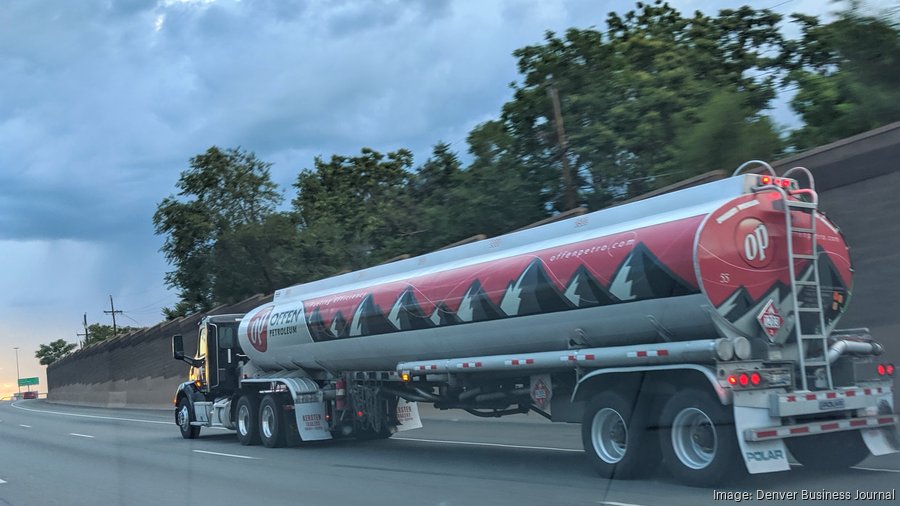
- Consistent scheduling under varied demand levels
- Advanced fleet tracking for precise fuel routing
- On-site tank management and refueling support
- Compliance with safety and environmental standards
- Integration with digital fuel monitoring technologies
- 24/7 availability for remote site operations
Managing fuel logistics through these systems minimizes administrative load while keeping heavy equipment continuously supplied. Companies operating at high capacity often see measurable savings through these managed delivery strategies.
How Do Fuel Management Systems Simplify Oversight?
Fuel management platforms streamline consumption tracking and asset coordination. They gather live data from sensors, analyzing trends to reveal inefficiencies and usage surges. The outcome reduces waste while maximizing workforce uptime through automated scheduling and alerts.
Many firms now adopt digital dashboards that centralize monitoring across multiple regions. With higher visibility, teams act faster on maintenance requirements and consumption variations. These intelligent tools offer visibility far beyond manual control methods, helping industries operate with confident precision and prompting managers to learn more about evolving digital integrations.
Improved Fuel Safety Measures In Motion
Ensuring workplace safety goes beyond handling procedures and extends to infrastructure upgrades. Reliable containment systems prevent leaks, while training programs promote best practices across all team levels.
Safety Infrastructure Elements
- Reinforced storage tank construction materials
- Automated shutdown and alarm systems
- Fire-resistant transport and delivery gear
- Spill containment and drainage planning
- Employee certification and safety workshops
- Regular performance inspections and audits
Implementing these steps not only prevents accidents but also promotes trust between suppliers and operators. Commitment to protection remains a central pillar of every responsible fuel enterprise.
What Challenges Affect Industrial Fuel Planning?
Changing fuel prices and varying regional infrastructure can unsettle consistent supply chains. To address these challenges, businesses rely on adaptable agreements, diversified fuel options, and nearby storage facilities that help stabilize fluctuations.
On-ground coordination plays a major role when projects expand into multiple geographies. Managing simultaneous supply chains without interruptions demands deep experience and consistent response strategies that guard against cost swings or shortages.
Continuous Power For Unbroken Industry Flow
Fuel continuity is more than a logistical service—it’s the unseen driver of stable industry output. Each truck on site, every generator, and every operating machine depends on that invisible line of support. As technology advances and digital oversight expands, the promise of uninterrupted operations becomes more achievable across diverse industrial sectors.