




Picture this: you’re sitting at home, trying to relax after a long day, but the constant noise from traffic, trains, or even nearby construction makes it nearly impossible. It’s a scenario many of us are all too familiar with, especially if you live in or near a busy urban area. Noise pollution is becoming more of a problem, and it’s not just annoying—it can also affect our health, leading to stress, sleep disturbances, and even hearing loss. So, what’s being done to solve it?
One of the most common solutions that people often turn to is noise barriers. But the question is, do they really work? Are they the answer to the growing noise pollution crisis, or just a temporary fix?
What Exactly Are Noise Barriers?
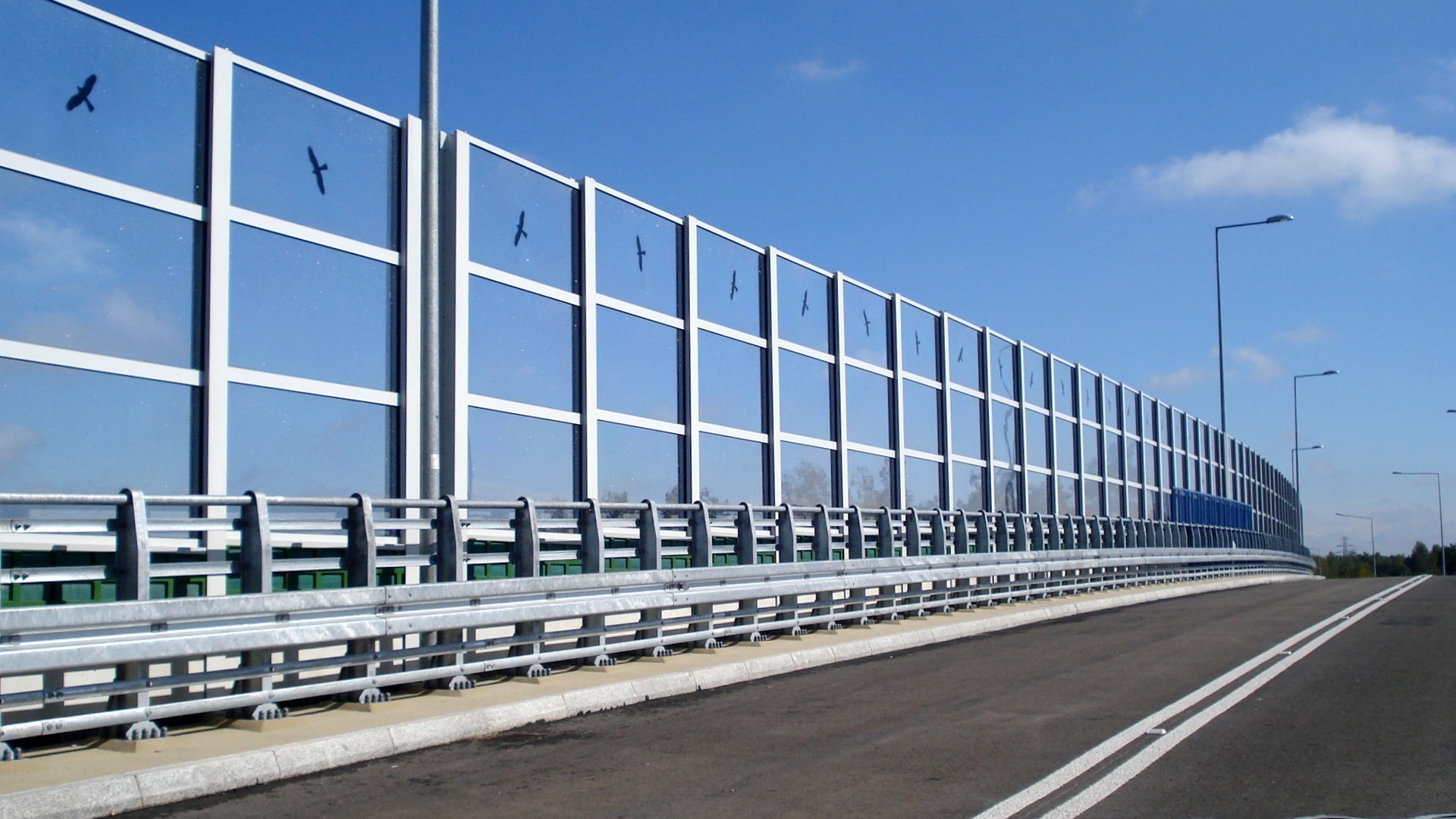
Noise barriers, also known as sound walls or noise fences, are structures designed to block or absorb sound. They’re commonly seen along highways, railways, airports, and industrial areas—places where high levels of noise are a daily occurrence. These barriers can be made from a variety of materials, including concrete, wood, metal, or even vegetation in the form of green walls.
The idea behind noise barriers is simple: by interrupting the path of sound waves, they prevent the noise from reaching nearby areas, like homes or schools. They can reflect the sound back toward the source or absorb it, depending on the materials used. Sounds pretty good, right?
Do Noise Barriers Actually Work?
Well, they can—at least to a certain extent. In the right conditions, a noise barrier can reduce noise levels by up to 10 decibels, which is enough to make a noticeable difference. For example, they can help cut down on the constant hum of traffic along a busy highway or reduce the sound of trains rumbling past your home.
However, here’s the catch: noise barriers don’t work for every situation. Their effectiveness depends on a variety of factors, including the height of the barrier, the type of material used, and the frequency of the noise. Low-frequency sounds (think: the deep rumble of a truck engine) are harder to block than high-frequency sounds (like the high-pitched hum of a car engine), so a barrier that works well for one type of noise might not be as effective for another.

But What About the Downsides?
Of course, noise barriers aren’t perfect. While they can help reduce noise, they don’t completely eliminate it. If you’re living right next to a highway, for example, you might still hear some traffic noise even with a barrier in place.
There are also other downsides to consider. First, noise barriers can be pretty unsightly. Imagine looking out of your window and seeing a giant concrete wall blocking your view of the horizon. Not exactly the most pleasant sight. And it’s not just the view that can be affected—noise barriers can disrupt local ecosystems, especially if they’re not carefully designed. They might block wildlife corridors or prevent vegetation from growing.
Another thing to think about is cost. Noise barriers can be expensive to build and maintain, particularly in urban areas where space is limited and materials can get pricey. Not to mention, they only work if they’re properly installed and regularly maintained, which can add up over time.
Are There Better Solutions?
If noise barriers aren’t the magic bullet, what else can be done to reduce noise pollution? Well, there are a few other ideas that might work alongside—or instead of—noise barriers.
- Rethinking Urban Planning: One of the most effective ways to tackle noise pollution is to prevent it in the first place. Thoughtful urban planning can go a long way. For example, noisy industries and highways can be placed further away from residential areas, and quiet zones or green spaces can be built where people live and work.
- Soundproofing Buildings: For areas where noise barriers aren’t an option, soundproofing buildings might be the answer. Double-glazed windows, acoustic panels, and extra insulation can all help to block out unwanted noise, making life much quieter indoors.
- Noise-Reducing Pavements: Roads and pavements don’t have to be noisy either. Some cities are starting to use special noise-reducing surfaces that absorb sound rather than reflect it. This could be a great addition to a noise barrier, reducing the overall impact of traffic noise.
- Green Spaces and Plants: Instead of a large concrete wall, why not plant some trees and shrubs? Green spaces not only look better, but they can also absorb sound and help to reduce noise levels. They’re a natural, eco-friendly solution that can provide both noise reduction and environmental benefits.
What Does the Future Hold?
The future of noise control is all about getting creative. As cities continue to grow, we’re likely to see even more innovative solutions to noise pollution. Researchers are working on new materials for noise barriers, like transparent soundproofing that could cut down on visual clutter while still blocking noise. There’s also the potential for smart noise barriers that can adapt to changing noise levels.
But one thing is clear: relying on a single solution like noise barriers isn’t enough. A more comprehensive approach that includes better urban planning, soundproofing, green spaces, and new technologies will be essential if we want to tackle the noise pollution crisis effectively.
Conclusion
So, are noise barriers the answer to the growing noise pollution crisis? The short answer is: they help, but they’re not a complete solution. While noise barriers can reduce noise levels and make a difference, they’re not perfect, and they come with their own set of challenges. If we want to create quieter, healthier environments, we need to think about a mix of solutions, from better urban design to innovative new technologies.
In the end, it’s about creating a balance between protecting ourselves from noise and preserving the quality of our surroundings. So, while noise barriers might be part of the answer, they’re definitely not the only one.